
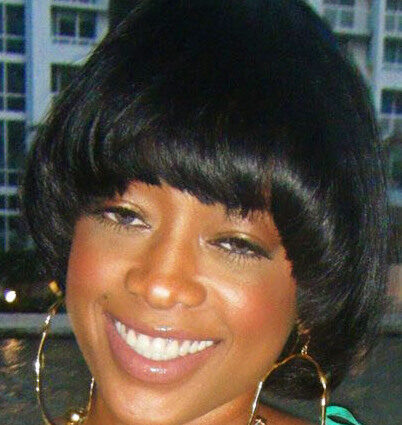

Trina followed her introduction to rap fans as Trick Daddy’s female counterpart on his 1998 single, “Nann Nigga,” with her first album, Da Baddest Bitch, two years later. The East Coast had produced women rappers like Salt-N-Pepa, Lil’ Kim, and Foxy Brown, who played with glam and sexuality in their image. Trina did a similar thing but instead of coming from New York’s rap elite, she was a Miami pioneer. “Pull Over” was the second single from Da Baddest Bitch. Local producing legend Righteous Funk Boogie created the dramatic synths and cool rattles and blended them in with Trick Daddy’s curve-worshipping chorus. Trina’s video had plenty of pretty people and skin, but it was also a representation of what was going on in a city that still isn’t immediately associated with rap music in 2025. Trina and Trick Daddy broadcasted one version of Black Miami to the world that seemed to forget the contributions of Uncle Luke. Da Baddest Bitch achieved gold status by the end of the year and Trina was officially one of the new rap girls.
Twenty-five years later and the video for “Pull Over” is a document of the time when natural bodies were standard before the popularity of BBLs. Trina celebrated her backside long before The City Girls became the twerking contemporaries of her provincial legacy. Trina released her sixth studio album, The One, in 2019. In 2025, she performed “Here We Go” live for the first time with Kelly Rowland at the Miami stop on Brandy and Monica’s The Boy Is Mine Tour. Trina and Trick Daddy received honorary doctorate degrees from Leaders Esteem Christian Bible University for their impact on hip-hop music. Earlier in the year they had streets named after them.



